
Why Ukay-Ukay Still Beats Retail for a Lot of Filipinos
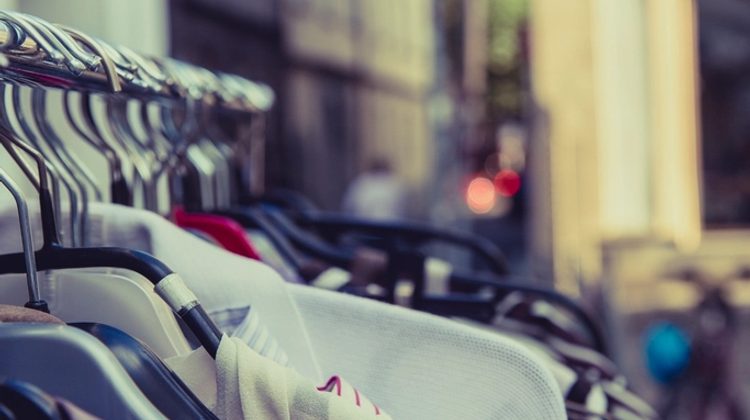
Ukay-ukay stalls sell secondhand clothing, shoes, and bags imported in bulk, usually shipped as bales from Korea, Japan, the United States, and parts of Europe. The name comes from "halukay," to dig through, which is exactly what shopping here looks like. A single bale can hold anything from department store overstock to barely worn designer pieces, and nobody, including the vendor, knows exactly what is inside until it gets sorted.
That mystery is part of the appeal, but the real draw is price. A blazer that costs ₱2,000 to ₱3,500 retail can turn up in a ukay-ukay pile for ₱150 to ₱400. Denim jackets, formal wear, and branded shoes routinely go for a fraction of mall pricing. For families budgeting around a fixed payday, ukay-ukay is a practical way to dress well without stretching the clothing line item of a monthly budget.
Best Ukay-Ukay Destinations in the Philippines
Three places dominate ukay-ukay culture nationwide, and each has a different personality. Baguio is known for cooler-climate stock, heavier jackets and sweaters that actually make sense in the city's weather. Divisoria mixes ukay-ukay with brand-new tiangge goods, so shoppers often combine a thrift run with regular market shopping in the same trip. Taytay, Rizal built its reputation as a wholesale hub, and its stalls sell in bulk to resellers as often as they sell to individual shoppers.
| Location | Known For | Typical Price Range |
|---|---|---|
| Baguio (Km. 4, Session Road area) | Jackets, sweaters, coats suited to cool weather | ₱100 to ₱600 |
| Divisoria (168 Mall, Tutuban area) | Wide mix of casual wear, shoes, bags, plus tiangge new stock nearby | ₱50 to ₱400 |
| Taytay, Rizal (Ukay-Ukay Capital) | Wholesale bales, resale stock, branded finds in volume | ₱80 to ₱500, lower per piece in bulk |
Smaller ukay-ukay clusters also exist inside almost every provincial public market and tiangge, usually tucked near the wet market or the tail end of the dry goods section. These local stalls restock less often than the big three, but they carry lower foot traffic, which means less competition for a good find.
How to Sort Through a Bara-Bara Pile Without Wasting a Whole Afternoon
Scan by silhouette first, not by color
Trained ukay-ukay shoppers spot a garment's cut and shoulder line before its color registers. Scanning for shape lets you flip past a whole pile in seconds instead of stopping at every bright item.
Pull anything that fits your silhouette rule, then set it aside
Build a small holding pile as you go. Don't inspect quality yet, that comes after you've cleared the section you're standing at, since stalls fill back up fast once other shoppers start digging too.
Check the fabric weight and stretch by hand
Squeeze the fabric. Thin, see-through material or fabric that doesn't spring back after a stretch test usually means the piece is already worn out, even if it looks fine on the hanger.
Inspect seams, zippers, and stains under good light
Move toward the stall's brightest spot, usually near the entrance, and check underarms, collars, and hemlines for stains that won't wash out. Test every zipper and button before committing.
Try it on or measure it against a piece you already own
Since sizing is inconsistent across countries of origin, hold the garment against a similar item from your closet, shoulder to shoulder and hem to hem, rather than trusting the tag.
What to Inspect Before You Pay
A good ukay-ukay find still needs a quality check before it goes into your bag. Smart thrift shopping in the Philippines comes down to a short checklist: smell the fabric for mildew or mothball odor that won't air out, check that all buttons and zippers move freely, look for pilling on knitwear, and press on the fabric near hidden seams to catch small tears before they become bigger ones after a single wash. Shoes deserve extra attention, check the sole for separation and press the insole to feel for moisture damage.
Skip anything with a strong chemical smell, since that can signal mold treatment rather than an actual clean piece. A little musty smell that fades after airing out is normal for imported bales and is not a reason to put an otherwise solid find back.
Bagsakan Days and Vendor Pricing
Every regular ukay-ukay stall has a bagsakan schedule, the day a fresh bale gets opened and displayed. Prices run highest on bagsakan day itself, since the selection hasn't been picked over. Return two or three days later and the same pile is usually marked down, sometimes to a flat rate like three pieces for ₱100, as vendors try to clear space for the next delivery.
Ask the vendor directly which day new stock usually arrives. Regular stalls are happy to tell you, since it brings you back as a repeat customer. Timing a ukay-ukay run around bagsakan schedules is one of the easiest ways to control both selection and price without any extra effort.
Budgeting a Ukay-Ukay Haul
A realistic weekend budget for a full outfit refresh, two tops, one bottom, and a jacket, lands around ₱400 to ₱800 at most ukay-ukay hotspots, versus ₱3,000 or more for the same pieces bought new. Setting a firm peso ceiling before you start digging keeps a bargain hunt from turning into impulse buying, since the low individual prices make it easy to lose track of the running total. The same discipline that works for a 50/30/20 monthly budget applies here: decide the ceiling first, then shop against it.
If ukay-ukay isn't nearby, or you'd rather browse from home, plenty of Filipino resellers now list curated secondhand finds on Shopee, often already washed and photographed with actual measurements. It costs more per piece than digging through a bin yourself, but it saves the sorting time, which is its own kind of value. Pairing a thrift habit with a broader no-spend mindset, like the one covered in our no-spend challenge guide, is one of the more sustainable ways to keep a clothing budget under control long term.
Washing and Sanitizing Your Finds at Home
Never skip the wash cycle on a fresh ukay-ukay haul, even if a piece looks spotless on the hanger. Separate everything by fabric type the way you would any secondhand purchase: cottons and denim can handle a hot wash, while delicate knits and anything with beading or embroidery should go through a gentler cold cycle or a hand wash. A short soak in water with a cup of white vinegar before the actual wash helps lift residual odor from storage and shipping.
Air-dry under direct sunlight when possible rather than relying only on a dryer. Sunlight naturally helps neutralize lingering smells and gives you one more chance to spot a stain that didn't show up under stall lighting. For shoes and bags, wipe down the interior with a damp cloth and a mild antibacterial solution, then let them dry fully before storing, since trapped moisture is what causes musty smell to come back after a wash that otherwise worked.
Frequently Asked Questions
Current promo codes and vouchers for Shopee Philippines, useful for preloved resellers and everyday shopping alike.
View Shopee Deals →