
Last Updated on April 24, 2026 by John Arce
Running apps have changed the way people train. Instead of scribbling workouts in a notebook or guessing mileage week by week, runners can now open an app and instantly receive a personalized plan. One of the most talked-about platforms today is Runna, an AI-powered running coach designed to help beginners, half marathoners, and even marathon chasers improve faster.
But with popularity comes an important question:
Can Runna get you injured?
It’s a fair concern. Every runner knows someone who ramped up too quickly, chased paces too hard, or trusted a plan without listening to their body. Technology can be powerful—but it can also be misunderstood.
So let’s break this down honestly.
The short answer: Runna itself does not injure runners. Poor execution, unrealistic expectations, and ignoring recovery often do.
Like any training system, Runna is a tool. In the right hands, it can guide progress. Used recklessly, it can contribute to problems.
Let’s talk about what Runna can do, what it cannot do, and how to use it wisely.
What Runna Can and Cannot Do
Runna has earned attention because it feels like a personal coach in your pocket. You input your goals, race dates, ability level, and available training days. Then the app builds a structured program designed around your needs.
That’s impressive.
What Runna Can Do
Runna can help with:
- Structured weekly workouts
- Progressive mileage increases
- Interval sessions and tempo guidance
- Race-specific plans
- Schedule adjustments when life gets busy
- Motivation through clear direction
- Accountability through consistency
For many runners, this removes the biggest barrier: not knowing what to do next.
Instead of guessing, you simply follow a roadmap.
What Runna Cannot Do
Here’s where reality matters.
Runna cannot:
- Feel the tightness in your calf
- Detect subtle fatigue from poor sleep
- Know your stress levels from work or family life
- Instantly recognize biomechanical issues
- Replace a sports physio or coach watching your form
- Understand pain tolerance differences
- Stop you from being stubborn
That last one is huge.
Many runners continue workouts despite warning signs because “the app said so.” That mindset—not the app itself—is where trouble starts.
A training plan should guide you, not control you.
Understand the Logic Behind the Training Plan (and Adjust When Needed)
Too many runners treat plans like sacred law.
But smart runners know every plan—whether written by AI, a human coach, or a bestselling book—is only a framework.
If Runna gives you intervals on Tuesday, tempo on Thursday, and a long run Sunday, ask yourself:
- Am I recovered enough for speed work today?
- Did I sleep well this week?
- Am I carrying soreness from my last session?
- Has work stress been high?
- Is my easy pace actually easy?
Training only works when stress + recovery are balanced.
If recovery is low, even a “perfect” plan can become risky.
Example:
Runna schedules:
- Tuesday: 8 x 400m hard
- Thursday: Tempo run
- Sunday: Long run
Sounds solid.
But if you also:
- Slept 5 hours nightly
- Walked 20,000 steps daily
- Lifted heavy legs Wednesday
- Felt Achilles soreness Thursday
Then blindly forcing the schedule is a mistake.
The best athletes modify.
That may mean:
- Swapping hard workout for easy run
- Reducing volume by 20%
- Replacing intervals with strides
- Taking an extra rest day
That’s not failure. That’s wisdom.
Watch for These Warning Signs in Any Training Plan
This applies to Runna, Nike Run Club, Garmin plans, human coaches—everything.
If your body sends these signals, pay attention.
1. Persistent Niggles That Worsen While Running
Small pain that gets sharper every run is not “normal soreness.”
Examples:
- Achilles tenderness
- Shin pain
- Knee pain on descents
- Foot arch irritation
2. Constant Fatigue
If every run feels heavy, something is off.
You may be under-recovered, under-fueled, or overtrained.
3. Easy Pace Feels Hard
One of the clearest red flags.
If conversational pace feels like work for several days in a row, reduce intensity.
4. Poor Mood and Low Motivation
Overtraining doesn’t only hit the legs. It hits the brain too.
5. Heart Rate Is Elevated
If your easy run heart rate is strangely high despite normal pace, fatigue may be accumulating.
6. You Fear Missing a Workout
When anxiety about skipping sessions becomes stronger than logic, obsession may be replacing healthy training.
That’s dangerous territory.
Should You Still Use Runna and Other AI-Tailored Training Plans?
Absolutely—if used intelligently.
AI coaching tools are improving quickly. They can analyze schedules, paces, race dates, consistency, and progression better than many generic downloadable plans.
For many runners, that’s a huge advantage.
Why They Can Be Great
- Personalized structure
- Convenience
- Lower cost than 1-on-1 coaching
- Dynamic updates
- Great for self-motivated runners
- Excellent for busy people
Where They Fall Short
- No live observation of running form
- Limited emotional nuance
- No hands-on injury assessment
- May underestimate real-world fatigue
Who Benefits Most
Runna can be fantastic for runners who:
- Need structure
- Want race guidance
- Enjoy data
- Can self-regulate effort
- Know when to back off
Who Should Be More Careful
You may need extra caution if you:
- Have repeated injury history
- Ignore pain signals
- Always push too hard
- Need accountability to rest
- Struggle with pacing discipline
Technology is only as smart as the user applying it.
How to Avoid Injury While Using Runna Training Programs
Here’s the practical part.
If you want the benefits of Runna without the common mistakes, follow these rules.
1. Keep Easy Runs Truly Easy
Many runners sabotage themselves by running recovery days too fast.
Easy means:
- Conversational breathing
- Controlled effort
- Finishing fresher than you started
Slow running builds fast running.
2. Respect the 80/20 Principle
Around 80% of your training should feel easy. Only 20% should be moderate to hard.
If every Runna workout becomes a race effort, injury risk rises quickly.
3. Prioritize Sleep
No app can replace sleep.
7–9 quality hours dramatically improves adaptation and lowers injury risk.
4. Strength Train Twice Weekly
Focus on:
- Glutes
- Calves
- Hamstrings
- Core
- Single-leg stability
Stronger runners usually handle training load better.
5. Fuel Properly
Under-fueling often hides behind “mystery fatigue.”
Eat enough carbs, protein, and total calories—especially during higher mileage blocks.
6. Use Deload Weeks
Even if motivation is high, periodic easier weeks help your body absorb training.
7. Replace Hero Mentality With Long-Term Thinking
Skipping one workout rarely matters.
Ignoring pain for three weeks often does.
Want to Try Runna the Smart Way?
Getting your free 2-week Runna AI trial is quick, easy, and 100% risk-free.
Just follow these steps:
- Sign up for a Runna account via the mobile app or official website
- Find the Referral Code field during registration
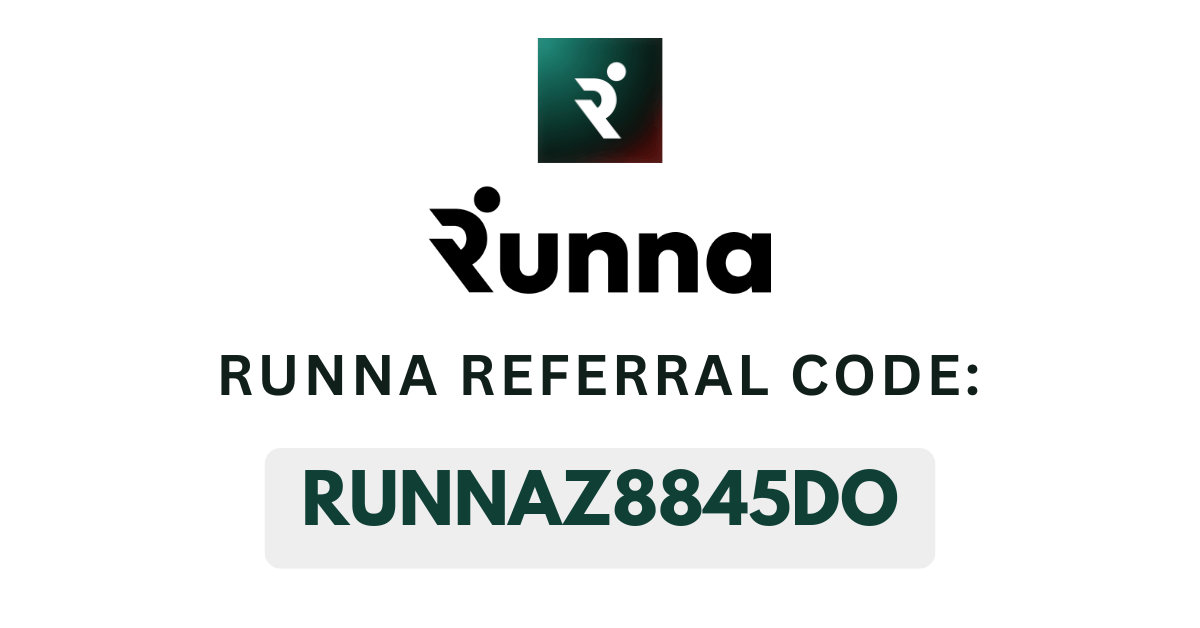
- Enter this code: RUNNAZ8845DO
- Finish signing up and unlock your 2-week free trial 🎉
👉 https://web.runna.com/redeem?code=RUNNAZ8845DO
If you’ve been curious about AI coaching, this is one of the easiest ways to test it without commitment.
The Future Ahead of Runna
The future of training apps is exciting.
We’re moving toward systems that can combine:
- Sleep data
- HRV trends
- GPS fatigue patterns
- Recovery metrics
- Injury risk signals
- Adaptive daily planning
Imagine an app saying:
“Your resting heart rate is elevated, sleep was poor, and calf load is high. Today’s intervals are changed to an easy 40-minute run.”
That level of responsiveness could help many runners stay healthy.
Runna and similar platforms are likely heading there.
Eventually, AI may become less about pushing harder and more about knowing when to hold back.
That’s where true performance lives.
So… Can Runna Get You Injured?
Here’s the honest verdict:
Runna does not directly injure runners. Misuse can.
If you:
- Chase every pace aggressively
- Ignore soreness
- Skip recovery
- Add extra workouts
- Compare yourself to others
- Never adjust the plan
…then yes, injury risk rises.
But if you:
- Train patiently
- Modify intelligently
- Recover seriously
- Run easy when needed
- Respect warning signs
…Runna can be a very useful training tool.
Think of it like a GPS.
A GPS can guide you efficiently—but if the road is closed and you keep driving into a barrier, that’s not the GPS’s fault.
Final Thoughts
The best training plan in the world still depends on one thing:
Your judgment.
Apps can organize workouts. Algorithms can optimize schedules. AI can personalize progression.
But only you can decide when your body needs rest.
Use Runna as a coach, not a dictator.
Listen to data—but listen louder to your body.
That combination is where smart progress happens.
Ready to See If Runna Works for You?
Claim your 2-week free Runna trial today and test the platform for yourself.
Use referral code: RUNNAZ8845DO
Activate here:
👉 https://web.runna.com/redeem?code=RUNNAZ8845DO
Train smarter, recover better, and keep running strong.